Jajangmyeon Recipe (Korean Black Bean Noodles)
Jajangmyeon recipe — Korean black bean noodles with pork, vegetables, and rich fermented chunjang sauce. Step-by-step with tips from Korean Chinese cooking.
Introduction
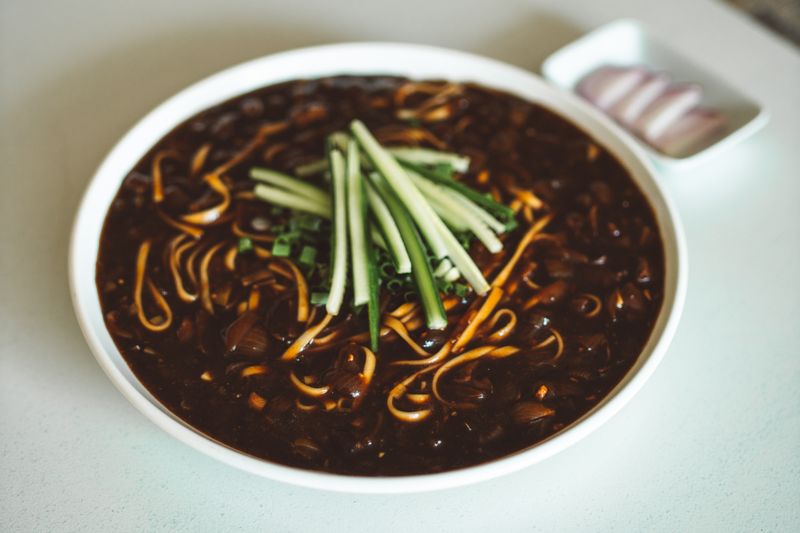
Jajangmyeon (짜장면) is Korea's biggest comfort food — thick wheat noodles coated in a dark, glossy black bean sauce with pork and vegetables. Korean Chinese restaurants (중국집, jungkuk) have been making it since the early 1900s, when Chinese migrants in Incheon adapted zhajiangmian to local tastes. The whole thing hinges on chunjang, a fermented soybean paste that starts out dry and bitter. Fry it in oil and it turns deeply savory, almost nutty. That step is everything. Skip it and you've just got noodles with black sauce. It's also got a cultural foothold most dishes don't. On Black Day (April 14), single people who struck out on Valentine's Day and White Day dress in black and eat jajangmyeon together. Part self-deprecation, part celebration. Been happening for decades.What's in this recipe
Ingredients
Base recipe makes 4 servings
- 1lbpork butt or pork belly, cut into small cubes
- 4clovesgarlic, minced
- 1tbspfresh ginger, minced
- 3stalksgreen onions, chopped (whites and greens separated)
- 1largesweet onion, cut into chunks
- 10ozgreen cabbage, cut into bite-sized pieces
- 0.33cupchunjang (Korean black bean paste)
- 1tbspcooking oil
- 0.25cuprice wine (optional)
- 1cupchicken stock
- 1.5tbspsugar
- 1.5tbspcorn starch
- 1.5tbspcold water
- 1.5lbfresh wheat noodles for jajangmyeon
- 1smallcucumber, julienned (garnish)
Substitutions
No exact match? These work.
chunjang (black bean paste)Chinese tianmianjiang (sweet bean sauce)
sweeter and less salty, will change flavor profile
pork buttpork neck or pork belly
fattier cuts work best, avoid lean pork
fresh wheat noodlesfresh udon noodles
thicker but chewy texture works
chicken stockbeef broth
deeper, richer flavor (Crazy Korean Cooking style)
sweet onionyellow onion
slightly less sweet but acceptable
Equipment
- Wok or large skillet
- Cutting board and knife
- Large pot for boiling noodles
- Small bowl for corn starch slurry
How to Make It
Heat wok over high heat and add cooking oil
Add cubed pork and cook until golden brown and crispy, about 5 minutes
Add garlic, ginger, and green onion whites. Fry for 1 minute until fragrant
Add chunjang (black bean paste) and stir-fry together for 2-3 minutes. This is the most important step — frying the paste removes raw bitterness and develops the deep, toasty flavor
Add sweet onion and cabbage. Stir-fry for 5-6 minutes until vegetables are slightly softened
Add rice wine if using and cook until evaporated
Pour in chicken stock and add sugar. Stir everything together and bring to a boil
Reduce heat to medium and simmer uncovered for 15-20 minutes
Meanwhile, cook noodles according to package directions. Drain and rinse under cold water, then dunk back in hot water to reheat
Mix corn starch and cold water to make a slurry. Add to simmering sauce while whisking constantly. The sauce will thicken and become glossy
Place noodles in serving bowls. Ladle generous amounts of sauce over the top
Garnish with julienned cucumber. Serve immediately and mix thoroughly before eating
Expert Tips & Common Mistakes
- Frying the chunjang is non-negotiable. If you skip this step, the sauce will taste flat and bitter. All three video sources emphasize this
- Don't walk away while frying the paste — it can burn quickly over high heat. Stir constantly
- Use fatty pork. Lean pork doesn't render enough fat and the sauce loses richness. Pork belly or pork neck is ideal
- The sauce should coat the back of a spoon. If it's too thin, add more corn starch slurry. Too thick? Add a splash of stock
- Use two chopsticks to separate and fluff the noodles before mixing with sauce — they tend to stick together
- Serve with danmuji (yellow pickled radish) on the side. It cuts through the richness
About this dish
What to Serve Jajangmyeon With
Jajangmyeon works as a standalone meal, but Koreans almost always pair it with danmuji (단무지, yellow pickled radish). The sweetness and crunch cut through the sauce’s richness. Some restaurants also serve raw onions with chunjang for dipping — that’s the traditional move.
If you want the full Korean Chinese spread, add tangsuyuk (sweet and sour pork). Crispy fried pork with a sticky-sour glaze. That’s the combo you’ll see at every Korean Chinese restaurant. But honestly, noodles and radish alone are plenty.
Nutrition per serving
Source: U.S. Department of Agriculture, Agricultural Research Service. FoodData Central, 2019. fdc.nal.usda.gov
Frequently Asked Questions
Does jajangmyeon contain actual black beans?
Despite the English name, chunjang is made from fermented black soybeans and wheat flour, not the black beans used in Mexican cooking. The "black" refers to the color, and "bean" means soybean.
Can I use Chinese black bean garlic sauce instead?
You can, but it won't taste the same. Chinese black bean garlic sauce already contains garlic and sugar, so adjust other ingredients. Real chunjang from a Korean store gives the authentic flavor.
Why does jajangmyeon sometimes cause digestive issues?
It's a very fatty dish with pork fat, oil for frying the paste, and a rich sauce. If you're not used to that much oil at once, start with a smaller portion. Making it at home with less oil helps.
What noodles should I use?
Fresh jajangmyeon noodles from a Korean grocery are best. Fresh udon works as a substitute. You can also serve the sauce over rice (jjajangbap) if noodles aren't available.
Does jajangmyeon have meat?
The standard version uses pork — usually pork belly or pork butt, cut into small cubes. Some restaurants use diced pork fat trimmings for extra richness. You'll also find versions with seafood (called jajanghae) that swap the pork for shrimp, squid, and mussels. Vegetarian jajangmyeon works too. Leave out the meat, add more vegetables, and use vegetable stock instead of chicken stock. The chunjang sauce carries most of the flavor anyway.
Does jajangmyeon have pork?
Yes, pork is the traditional meat. Fatty cuts like pork belly or pork butt work best because they render fat while cooking, and that fat mixes into the sauce. Lean pork dries out and the sauce loses body. If you don't eat pork, chicken thigh is the closest swap — dark meat, some fat, holds up to the frying. Beef works but changes the flavor profile quite a bit.