Korean Rolled Omelette (Gyeranmari)
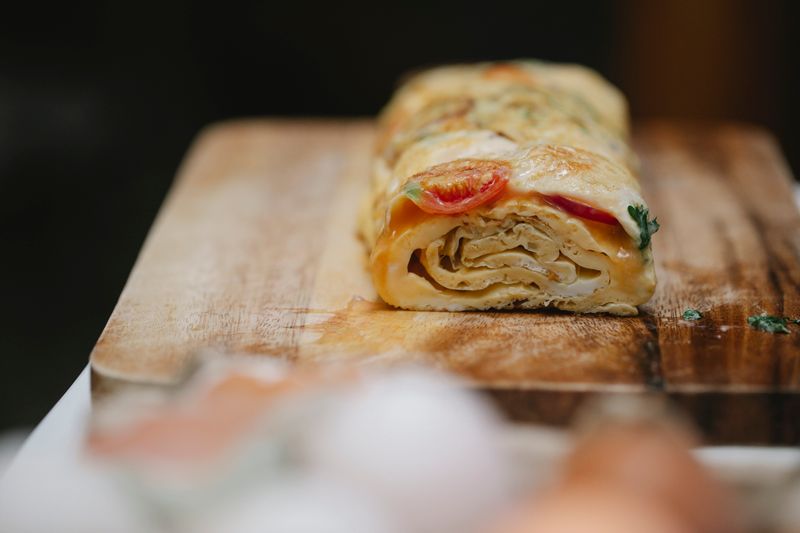
Korean Rolled Omelette (Gyeranmari), also called Korean egg roll — a classic banchan. Thin layers of egg and vegetables, rolled and sliced.
Introduction
Gyeran-mari (계란말이) looks like it took effort. It doesn't. Five minutes, a small pan, some finely chopped vegetables. You beat eggs, pour thin layers, roll them up, and slice. It shows up in Korean lunch boxes, at drinking sessions, and it's the one thing your kid won't push around the plate.What's in this recipe
Ingredients
Base recipe makes 2 servings
- 4largeeggs
- 1tbspcarrot, finely julienned
- 1tbspscallion, finely chopped
- 1tbsponion, finely diced (optional)
- 1pinchsalt
- 1pinchblack pepper
- 1tspvegetable oil
Substitutions
No exact match? These work.
saltsaeu-jeot (salted shrimp) brine
1 tsp brine instead of salt for deeper umami flavor
carrotzucchini skin or green bell pepper
for color variety
scalliongreen pepper or mushroom
Korean Bapsang suggests these
string cheese (for cheesy version)shredded mozzarella
both melt well, place in center before rolling
Equipment
- Small nonstick pan
- Chopsticks or fork
- Cutting board and knife
- Brush or paper towel for oil
How to Make It
Crack eggs into a bowl. Beat with chopsticks using a hitting motion — don't whip too hard, you don't want air bubbles
Add a pinch of salt and pepper. Mix well
Finely julienne the carrot and chop the scallion and onion. The thinner the better — thick pieces make rolling bumpy and difficult
Add vegetables to the egg mixture. Stir again before pouring — carrots sink to the bottom
Heat a small nonstick pan over medium-low heat. Add a thin layer of oil. Use a brush or paper towel to spread evenly
Pour about one-third of the egg mixture into the pan. Swirl to cover the bottom evenly
When the egg is set on the bottom but still slightly wet on top, start rolling from one end. Roll it about 1.5-2 inches, then push it to one side of the pan
Pour another third of the egg mixture into the empty space. Lift the existing roll slightly so the new egg flows underneath
When the new layer is set, roll the existing log over the new layer. Repeat with the remaining egg mixture
Once fully rolled, press down gently with the spatula and cook for another minute to set the shape
Remove from pan and let cool for a few minutes before slicing. Cut into 1-inch rounds
Expert Tips & Common Mistakes
- The key is medium-low heat and patience. If the heat is too high, the egg browns too fast and breaks when you flip
- Don't crowd the egg with vegetables — about 1 tablespoon per egg is enough. Too many fillings make it impossible to roll cleanly
- Pour the next layer while the previous one is still slightly wet. The moisture helps layers stick together
- Stir the egg mixture before each pour — the vegetables sink to the bottom
- For a cheesy version, place string cheese in the center before rolling. Roll slowly so the cheese melts inside
- Use the smallest pan you have for 3-4 eggs — the smaller the pan, the thicker the roll
- Let it cool before slicing. Cutting hot gyeran-mari makes it fall apart
- For extra flavor, replace salt with saeu-jeot (salted shrimp) brine — 1 teaspoon is enough
About this dish
What to Serve Korean Egg Roll With
Gyeran-mari is a banchan — it goes with everything.
The classic move: rice, kimchi, sliced egg roll. That’s a Korean lunch box in three ingredients. At pojangmacha (street food stalls) and home drinking sessions, it shows up with soju and beer. The mild egg takes the edge off the alcohol.
For kids, ketchup. Just ketchup. It’s a Korean kid thing — gyeran-mari with ketchup is how a lot of them grow up eating it.
Check out kimchi or korean side dishes for more banchan ideas.
Nutrition per serving
Source: U.S. Department of Agriculture, Agricultural Research Service. FoodData Central, 2019. fdc.nal.usda.gov
Frequently Asked Questions
What is gyeran-mari?
Gyeran-mari (계란말이) is a Korean rolled egg omelet. Thin layers of beaten egg with finely chopped vegetables are poured into a pan, rolled as they set, and repeated until you have a thick log. It's sliced into rounds and served as a banchan (side dish).
Why does my egg roll break when I flip it?
The heat is too high. Gyeran-mari needs medium-low heat and patience. If the egg browns too fast, it becomes brittle and breaks. Wait until the egg is set but still slightly wet on top before flipping. Also, don't crowd the egg with too many vegetables.
How do I get the layers to stick together?
Pour the next layer of egg while the previous roll is still slightly wet — not runny, but not fully dry either. The moisture helps the layers bond. Make sure there's enough oil so the egg doesn't stick.
Can I add cheese to gyeran-mari?
Yes! Use string cheese or shredded mozzarella. Place the cheese in the center of the egg before rolling, and roll slowly so the cheese has time to melt inside.