Korean Beef Bowl
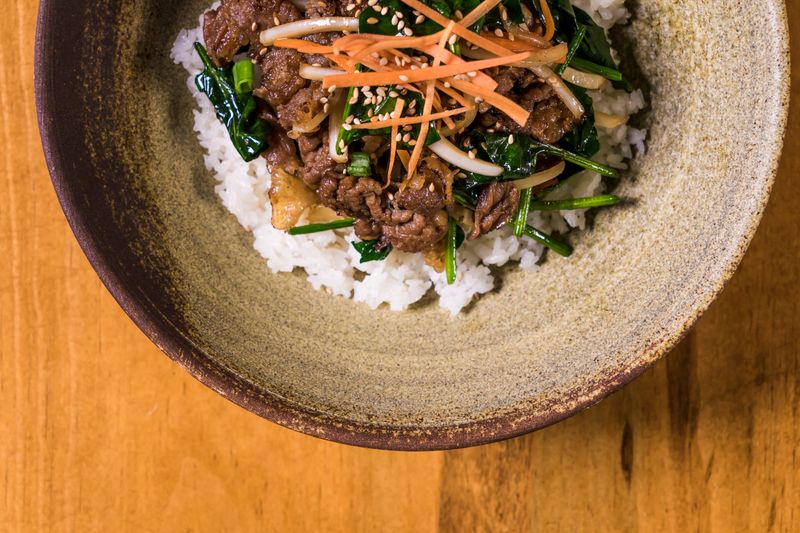
Korean Beef Bowl — bulgogi-style beef over rice with quick pickles, a fried egg, and a sweet-savory glaze. 20-minute weeknight dinner.
What's in this recipe
Ingredients
Base recipe makes 4 servings
- 450gbeef (thinly sliced ribeye, flank steak, or ground beef)
- 3cupscooked short-grain white rice
- 2Tbspsoy sauce
- 2Tbspbrown sugar
- 1Tbsptoasted sesame oil
- 2Tbspminced garlic
- 1tspfresh ginger, grated
- 1Tbsprice vinegar
- 1Tbspvegetable oil
- 2mediumeggs
- 2stalksscallion, thinly sliced
- 1tsptoasted sesame seeds
- 1smallcucumber, thinly sliced
- 1smallcarrot, julienned
- 1cupshredded cabbage (optional)
Substitutions
No exact match? These work.
Thinly sliced ribeyeGround beef (80/20), flank steak, or chicken thigh
Ground beef is the weeknight shortcut — no marinating, cooks in 5 min.
Short-grain white riceJasmine rice, brown rice, or cauliflower rice
Fresh ginger½ tsp ground ginger (not ideal)
Toasted sesame oilToasted peanut oil (different flavor)
Equipment
- Large skillet or wok
- Cutting board and knife
- Mixing bowl for sauce
- Rice cooker or pot for rice
How to Make It
Start the rice. If using thinly sliced beef, freeze the steak for 30 minutes until firm, then slice thin against the grain. If using ground beef, skip this step.
Make the sauce: whisk together soy sauce, brown sugar, sesame oil, garlic, ginger, and rice vinegar in a small bowl until the sugar dissolves.
Heat a large skillet over medium-high heat with vegetable oil. If using sliced beef, cook in two batches — spread the beef in a single layer and do not touch it for 2 minutes so it sears. Flip and cook 1-2 minutes more. If using ground beef, cook until browned, about 4-5 minutes, breaking it into small crumbles.
Pour the sauce over the beef. Cook for 1-2 minutes, stirring, until the sauce reduces to a glossy glaze that coats the meat. Remove from heat.
In the same skillet, fry the eggs sunny-side up with a pinch of salt. Cover the pan for 30 seconds to set the tops.
Assemble the bowls: divide rice among 4 bowls. Top with the glazed beef, fried egg, sliced cucumber, julienned carrot, cabbage, scallions, and sesame seeds. Serve immediately.
About this dish
A Korean beef bowl is what happens when you take everything good about bulgogi — the sweet-savory glaze, the caramelized edges, the steam rising off the meat — and put it over rice without the fuss. No grill, no marinating overnight. Just beef, sauce, rice, and whatever vegetables you have in the fridge.
The concept is simple: cook the beef, glaze it with a soy-sugar-sesame sauce, pile it over rice, and top it with a fried egg and quick pickles. The sauce is the star. Soy sauce, brown sugar, sesame oil, garlic, ginger — these five ingredients create the same sweet-savory balance that makes bulgogi one of the most iconic Korean dishes. When the sugar hits the hot pan, it caramelizes into a glossy coating that clings to every piece of beef. That is the flavor.
What Is a Korean Beef Bowl?
A Korean beef bowl is a weeknight-friendly adaptation of bulgogi — Korea’s marinated BBQ beef — served over steamed rice. Traditional bulgogi uses thinly sliced ribeye or sirloin, marinated for hours and grilled over charcoal. The beef bowl version skips the grill and the long marination. The beef goes straight into a hot pan, gets glazed with the sauce, and lands on rice within minutes.
The dish has two common forms. The first uses thinly sliced beef — ribeye, sirloin, or flank steak — that sears quickly in a hot skillet. The second uses ground beef, which browns in five minutes and absorbs the sauce instantly. Both versions use the same sauce: soy sauce, brown sugar, sesame oil, garlic, and ginger. The ground beef version is faster and cheaper, and for many people, more practical on a Tuesday night.
The toppings are flexible. Traditional bibimbap — the rice bowl it draws from — has spinach, bean sprouts, carrots, zucchini, and radish, each cooked and seasoned separately. A weeknight beef bowl uses whatever is on hand: sliced cucumber, shredded carrot, cabbage, scallions, kimchi. Quick pickles (vegetables sliced thin and marinated in salt, sugar, and rice vinegar for twenty minutes) add the acid that cuts through the sweet beef.
The fried egg is not optional. A sunny-side-up egg on top of the bowl, its yolk broken and mixing into the rice and beef, is what turns a good bowl into a great one. The richness of the yolk binds everything together.
What to Serve Korean Beef Bowl With
Rice is the base. Short-grain white rice is traditional, sticky enough to hold together, slightly sweet. Jasmine rice, brown rice, or even cauliflower rice all work.
Kimchi is the standard side. Its fermented tang balances the sweetness of the beef. Quick pickles — cucumber, carrot, or radish sliced thin and marinated in salt, sugar, and rice vinegar — serve the same purpose.
For a more complete meal, add a simple vegetable side: seasoned spinach (blanched and squeezed dry, tossed with sesame oil and garlic), bean sprouts, or sautéed zucchini. These are the building blocks of bibimbap, and they each take two minutes to prepare.
Leftovers reheat well. Store the beef and rice separately in the fridge for up to four days. But the flavors actually deepen as they sit, which is unusual for leftovers.
The sliced-beef version is basically bulgogi over rice. Kimchi on the side is the usual move. Leftover sauce and rice can become kimchi fried rice the next day.
Nutrition per serving
Source: U.S. Department of Agriculture, Agricultural Research Service. FoodData Central, 2019. fdc.nal.usda.gov
Frequently Asked Questions
What cut of beef is best for Korean beef bowl?
Ribeye or sirloin, sliced thin. Freeze the steak for thirty minutes until firm enough to handle, then slice across the grain. For weeknights, ground beef is the shortcut — no marinating, cooks in five minutes, and the sauce clings to every crumble.
What makes bulgogi marinade taste like bulgogi?
Soy sauce, brown sugar, sesame oil, and garlic — that is the core. The sugar caramelizes when the beef hits the hot pan, creating the glossy glaze that makes bulgogi taste like bulgogi.
Can I use ground beef instead of sliced beef?
Yes. Ground beef is the standard weeknight shortcut. Use 80/20 or 85/15, cook in a hot skillet until browned, add the sauce, and cook until it glazes the meat.
What vegetables go in a Korean beef bowl?
Traditional bibimbap has spinach, bean sprouts, carrots, zucchini, and radish — each cooked separately. For a weeknight bowl, use whatever you have: sliced cucumber, shredded carrot, cabbage, scallions, kimchi.
What is dolsot bibimbap?
Dolsot means stone pot. Sesame oil goes on the bottom of the hot pot, then rice, then all the toppings. The rice at the bottom gets crispy and golden — that crispy rice is called nurungji.