Kimchi Jjigae: Korea's Classic Kimchi Stew
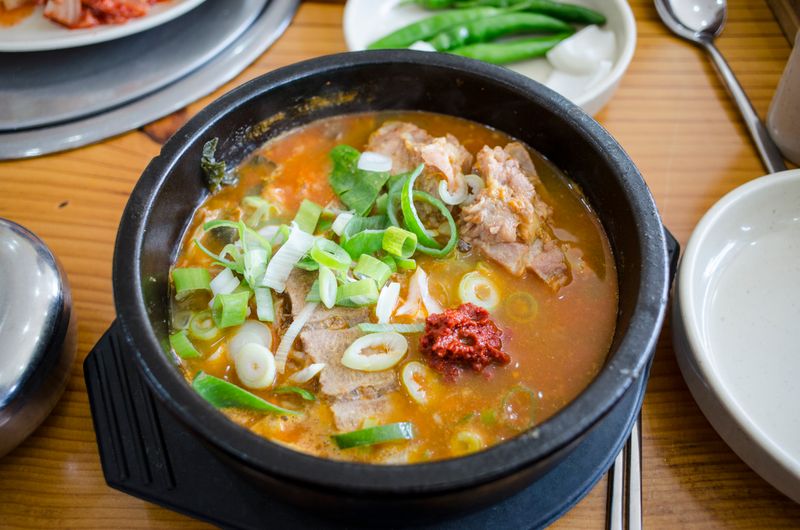
Kimchi Jjigae — Korea's classic kimchi stew. Aged kimchi, pork belly, and firm tofu simmered in a spicy, funky broth that tastes better the next day.
What's in this recipe
Ingredients
Base recipe makes 4 servings
- 400gwell-fermented aged kimchi
- 100mlkimchi brine (reserved from the jar)
- 200gpork belly, sliced into bite-size pieces
- 150gfirm tofu, sliced into ½-inch rectangles
- 1smallonion, thinly sliced
- 2Tbspgochugaru (Korean red chili flakes)
- 1Tbspsoy sauce
- 2tspfish sauce
- 1tspsugar
- 1tspsesame oil
- 3clovesgarlic, minced
- 2stalksscallion, sliced diagonally
- 2cupswater or anchovy-kelp stock
Substitutions
No exact match? These work.
Pork bellyPork shoulder, canned tuna (drained), or spam
Tuna is extremely common in Korea. Use the tuna oil for sautéing.
Firm tofuSoft/silken tofu
More delicate, breaks apart — closer to sundubu jjigae territory.
Fish sauceAnchovy sauce (use half) or soy sauce
Aged kimchiFresh kimchi fermented on counter 3-5 days
Fresh kimchi will not give the same depth. No real substitute for fermentation.
Equipment
- Heavy-bottomed pot or ttukbaegi (2-quart minimum)
- Cutting board and knife
- Wooden spoon
How to Make It
Drain the kimchi over a measuring jug. Reserve ¼ to ½ cup of the brine — this is your primary seasoning liquid.
Heat your pot over medium-high heat. Add the pork belly and cook without stirring for 2-3 minutes until the fat renders and the edges crisp. Add the onion and garlic, stir, and cook for another 2 minutes until softened.
Add the drained kimchi to the pot. Stir and cook in the pork fat for 3-4 minutes until the kimchi softens and turns translucent.
Add the gochugaru, soy sauce, fish sauce, and sugar. Stir to coat. Pour in the water and reserved kimchi brine. Bring to a boil, then reduce to a strong simmer.
Simmer uncovered for 15-20 minutes. The longer it cooks, the deeper the flavor. The pork fat will render fully into the broth and the kimchi will break down.
Gently lay the tofu slices over the stew, half-submerged in the broth. Simmer for another 3-5 minutes until the tofu is heated through. Drizzle with sesame oil and scatter the scallions on top.
About this dish
Kimchi jjigae is the Korean stew that gets made three or four times a week in households across the country. It is built on aged, sour kimchi — the older and funkier, the better — with pork belly whose fat renders into the broth, and firm tofu that soaks up every drop. The ingredient list is short, the technique is simple, and the result is a bubbling, spicy, deeply savory stew that tastes like it took all day but takes twenty minutes.
Every Korean cook has their own version. Some add canned tuna. Some add spam. Some simmer it for forty-five minutes. Some stir-fry the kimchi first, others boil the pork separately to extract the fat. The one constant is the kimchi itself: it has to be well-fermented. Fresh kimchi will not give you the same depth. This is the stew Koreans eat when they are sick, when they are tired, when they just want something that tastes like home.
What Is Kimchi Jjigae?
Kimchi jjigae belongs to the jjigae family — Korean stews defined by less liquid and stronger seasoning than soups. Where guk is brothy and light, jjigae is concentrated and bold. Kimchi jjigae specifically is built on fermented napa cabbage kimchi, and the fermentation does the heavy lifting. The lactic acid from weeks of sitting in a jar creates a sour, funky base that no amount of vinegar or fresh cabbage can replicate.
The traditional base is anchovy-kelp stock, but most home cooks use plain hot water or rice water (ssalddeumul) — the starchy rinse water from washing rice. The kimchi brine, the liquid sitting at the bottom of the jar, is the real seasoning. Pour that in first and taste it. If it is very sour, reduce the fish sauce. If it is mild, add a little more. The brine tells you everything about how the stew will turn out.
Pork belly is the default protein, and for good reason. The fat renders into the broth over twenty minutes of simmering, creating a richness that lean meat cannot match. Some cooks sauté the pork and kimchi together. Chef Baek Jong Won’s method — boiling the pork first, then adding the kimchi — extracts more fat into the broth and produces a deeper flavor. Either approach works; the Baek method just takes longer.
The tofu goes in last. Firm tofu, sliced into half-inch rectangles, is laid over the stew and barely warmed through. It is not the star of the dish the way it is in sundubu jjigae. It is a supporting player, absorbing the spicy, sour broth. Add it too early and it breaks apart. Add it at the end and it holds its shape.
What to Serve Kimchi Jjigae With
Rice is mandatory. Steamed white rice, plain and unseasoned, is the canvas. You alternate between spoonfuls of stew and mouthfuls of rice, each bite resetting the palate.
Banchan (side dishes) round out the meal. Seasoned bean sprouts (kongnamul), spinach, and pickled radish are standard. But if you are serving kimchi jjigae alongside Korean barbecue, it fills the role of the soup course — every Korean BBQ restaurant offers it or doenjang jjigae as the default pairing.
Leftovers are reheated on the stove, never the microwave. Kimchi jjigae gets better as it sits. The vegetables absorb more of the base, the broth deepens, the flavors settle into something more cohesive than the first day. Some Korean cooks deliberately make a double batch just to have day-two jjigae for breakfast.
The stew needs sour kimchi — make a jar with the homemade kimchi recipe and wait. Doenjang jjigae is the milder stew if you want both. For the whole family of pots, see Korean stews.
Nutrition per serving
Source: U.S. Department of Agriculture, Agricultural Research Service. FoodData Central, 2019. fdc.nal.usda.gov
Frequently Asked Questions
What kind of kimchi should I use for kimchi jjigae?
Use well-fermented, aged, sour kimchi. The older and funkier, the better. Fresh kimchi tastes flat in a stew because it hasn't developed the deep, tangy flavor that comes from fermentation. If your kimchi is fresh, leave it out on the counter for a few days before cooking.
Do I need to stir-fry the kimchi and pork first?
Yes. Sauté the pork until its fat renders, then add the kimchi and cook it down in that fat. This builds layers of flavor that boiling alone cannot achieve. The stir-fried kimchi gets a caramelized sweetness that raw kimchi lacks.
How long should I cook kimchi jjigae?
At least 15-20 minutes. Kimchi jjigae is not something you rush. The pork fat renders into the broth, the kimchi softens, and the flavors meld with time. Leftovers taste even better the next day.
Why is my kimchi jjigae too sour or too bland?
Too sour? Add a half teaspoon of sugar — it cuts the acidity without making the stew sweet. Too bland? Fish sauce or a splash more soy sauce will fix it. Taste your kimchi brine before you start cooking; that tells you what the stew will taste like.
What's the difference between kimchi jjigae and sundubu jjigae?
Kimchi jjigae is built on aged kimchi as the star ingredient, with firm tofu. Sundubu jjigae is built on extra-soft silken tofu as the star, with a separate broth base. Both use pork and gochugaru, but the foundation and tofu type are different.