Dak Galbi: Korean Spicy Stir-Fried Chicken
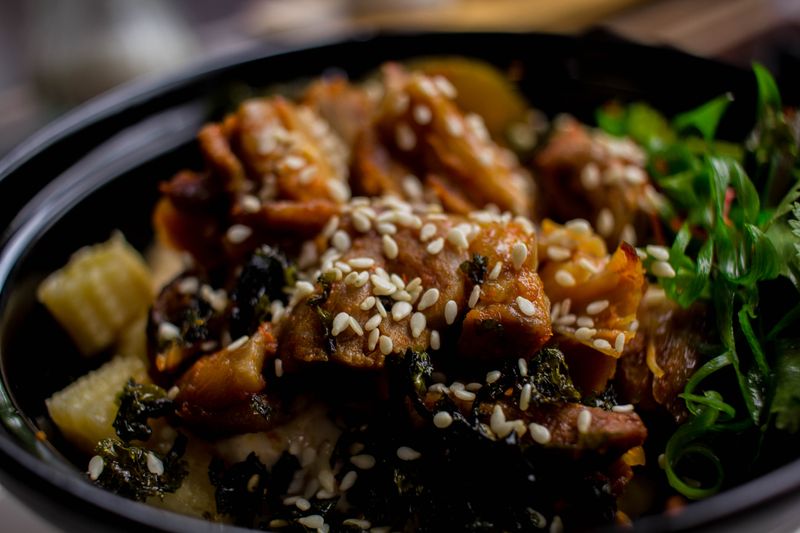
Dak Galbi — Korean spicy stir-fried chicken with cabbage, sweet potato, rice cakes, and a fiery gochujang sauce. Chuncheon's most famous export.
What's in this recipe
Ingredients
Base recipe makes 4 servings
- 450gboneless chicken thighs, cut into bite-size pieces
- 300ggreen cabbage, cut into large bite-size pieces
- 150gKorean sweet potato (goguma), thinly sliced
- 100gtteokbokki rice cakes, soaked in cold water 20 min
- 1smallonion, sliced
- 2stalksscallion, cut into 1-inch pieces
- 8leavesperilla leaves (kkaennip), rolled and thinly sliced
- 1Tbspcooking oil
Substitutions
No exact match? These work.
Chicken thighChicken breast or pork belly
Breast dries out faster — cut larger and do not overcook.
Korean sweet potatoRegular sweet potato or russet potato
Perilla leaves (kkaennip)Basil leaves (Maangchi's suggestion) or skip
Rice cakes (tteok)Extra sweet potato or cabbage
Rice cakes are traditional but not required.
GochujangMiso paste + cayenne (not ideal)
Equipment
- Large shallow pan or skillet (or a round hot plate if you have one)
- Cutting board and knife
- Mixing bowl for sauce
- Wooden spoon
How to Make It
Make the sauce: combine 2 Tbsp gochujang, 2 Tbsp gochugaru, 2 Tbsp soy sauce, 1 Tbsp rice wine, 1 Tbsp brown sugar, 1 tsp corn starch, 8-12 minced garlic cloves, 1 tsp minced ginger, ½ tsp Korean curry powder, and 1 Tbsp sesame oil in a bowl. Mix well.
Season the chicken lightly with salt, a splash of rice wine, and black pepper. Let it sit for 15 minutes while you prep the vegetables.
Heat a large shallow pan over medium-high heat with 1 Tbsp cooking oil. Add the chicken and cook until golden brown on both sides, about 3-4 minutes per side. Remove and set aside.
In the same pan, add the cabbage, sweet potato, rice cakes, and onion. Stir-fry for 2-3 minutes until the cabbage starts to wilt.
Make space in the center of the pan. Return the chicken to the pan and pour the sauce over everything. Add about ⅓ cup of water. Toss to coat evenly.
Cook on high heat for 1-2 minutes, stirring constantly so the sauce does not burn. The sauce should coat everything in a glossy, red glaze.
Add the scallions and perilla leaves. Toss for another 30 seconds. Serve immediately in the pan, straight to the table.
About this dish
Dakgalbi is the dish Korean students have been eating since the 1960s, when a cook in Chuncheon decided that pork ribs were too expensive and used chicken instead. He called it dakbulgogi — grilled chicken — but the name stuck to something else. Dakgalbi means chicken ribs, and there are no ribs in it. The name is a lie. The food is not.
It arrived in Chuncheon’s restaurants as “commoners’ galbi” and “university student’s galbi” because it was cheap, served in large portions, and cooked right at the table on a round hot plate. Friends would gather, order a pan of dakgalbi, and watch it cook while picking at side dishes and drinking. When the chicken was almost gone, the waitress would come over and stir-fry rice in the leftovers. That fried rice, with the caramelized sauce scraped from the bottom of the pan, was always the best part.
What Is Dak Galbi?
Dakgalbi is a stir-fried chicken dish built on three pillars: marinated chicken, vegetables, and a gochujang-based sauce that coats everything in a glossy, spicy red glaze. The chicken is cut into bite-size pieces and marinated in a mixture of gochujang, gochugaru, soy sauce, garlic, ginger, rice wine, and brown sugar. Some cooks add a quarter teaspoon of Korean curry powder, a hidden ingredient that deepens the sauce without making it taste like curry.
The vegetables are classic Korean stir-fry components: green cabbage cut into large pieces, Korean sweet potato (goguma) thinly sliced, onion, and scallions. Rice cakes (tteokbokki tteok) are traditional — they soak up the sauce and get chewy, turning the dish from a protein into a full meal. Perilla leaves (kkaennip), a Korean herb with a minty-basil flavor, are rolled and chiffonaded for garnish at the end.
The cooking happens on a large shallow pan — ideally a round hot plate built into the table, the way restaurants in Chuncheon serve it. The chicken goes in first to get golden, then the vegetables, then the sauce. Everything is tossed together on high heat for a minute or two so the sauce coats every piece without burning. The whole thing is brought to the table still sizzling.
What to Serve Dak Galbi With
Dakgalbi is communal food. It arrives in the pan and everyone eats from it, wrapping pieces in lettuce or perilla leaves with a dab of ssamjang. Cold beer or soju is the standard drink. The spice of the dish and the cold of the drink balance each other out.
The fried rice is mandatory. When the chicken is mostly gone, add rice, chopped kimchi, and any reserved sauce to the pan. Stir-fry everything together, scraping up the caramelized brown bits from the bottom. Tear in dried seaweed (gim) and finish with sesame seeds. It is not a side dish. It is the second act.
Dakgalbi also works as a weeknight dinner if you skip the hot plate and use a regular skillet. But the ingredients are simple, the cooking takes fifteen minutes, and the leftovers reheat well. Make extra sauce if you plan on the fried rice — you will need it.
The rice cakes in the pan are the same tteok used in tteokbokki. Finish the pan with kimchi fried rice — that second act is half the reason people order it.
Nutrition per serving
Source: U.S. Department of Agriculture, Agricultural Research Service. FoodData Central, 2019. fdc.nal.usda.gov
Frequently Asked Questions
What does dakgalbi mean? Are there actual ribs?
Dak means chicken and galbi means ribs, but there are no ribs in the dish. It earned the name in the 1960s when a Chuncheon cook used chicken as a cheaper substitute for pork ribs. The original name was dakbulgogi — grilled chicken.
What is the best chicken cut for dakgalbi?
Boneless chicken thighs. Dark meat stays juicy during the high-heat stir-fry that dakgalbi requires. Chicken breast works but needs larger pieces and careful timing to avoid drying out.
What makes dakgalbi sauce special?
Gochujang is the backbone — it provides sweetness, heat, and body. But the secret ingredient is Korean curry powder, just a quarter teaspoon. It does not make the dish taste like curry. It deepens the sauce in a way that is hard to pin down.
Do I need rice cakes for dakgalbi?
Rice cakes are not required but they are traditional. Tteokbokki tteok soaks up the spicy sauce and gets chewy. Soak them in cold water for twenty minutes before cooking. They stick to the pan easily, so keep the heat manageable.
What is the fried rice at the end?
When the chicken is done, add rice, chopped kimchi, and any leftover sauce to the pan. Stir-fry everything together, scraping up the caramelized bits from the bottom. Tear in some dried seaweed and finish with sesame seeds. It is the standard ending to a dakgalbi meal.